
Progressive Dynamics 1000 Watt Inverter w/ Transfer Switch
Original price was: 400.00$.250.00$Current price is: 250.00$.
Delivery in 2-3days
30days Return Policy
3Years Warranty
Description
Description
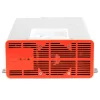
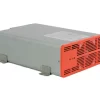
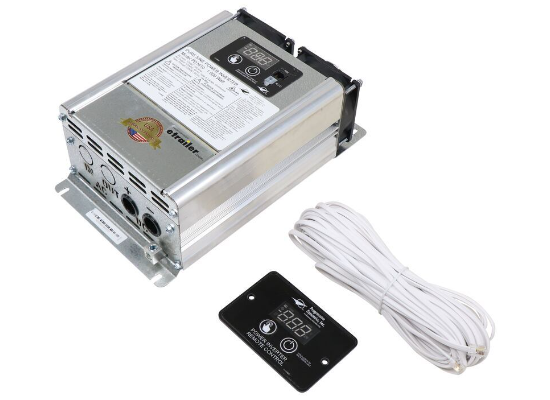
progressive Dynamics RV Power Inverter – PD94FRP
- 1000 Watts
- Pure Sine Wave Inverter
- 12V
- Inverter/Transfer Switch Functions
- Progressive Dynamics
- Power Center
- Industrial Duty – Large Loads
1,000-Watt inverter lets you use appliances and devices wherever the road takes you. Pure sine wave technology is perfect for sensitive electronics like HDTVs and computers.
Features:
- 1,000-Watt inverter provides AC power for electronics and appliances inside your RV
- Pure sine wave technology replicates household AC power, allowing you to run devises safely
- Perfect for sensitive electronics like HDTVs and computers
- Integrated transfer switch automatically changes from inverter to shore power when you hook up at the campground
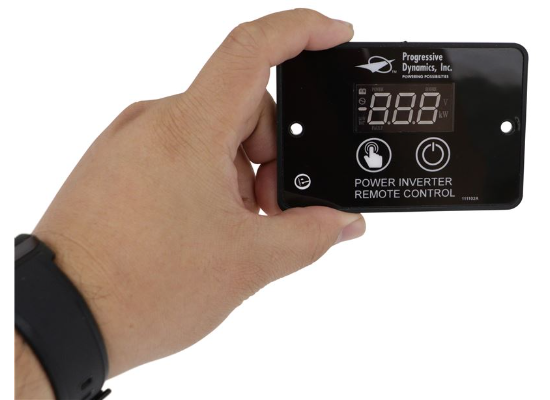
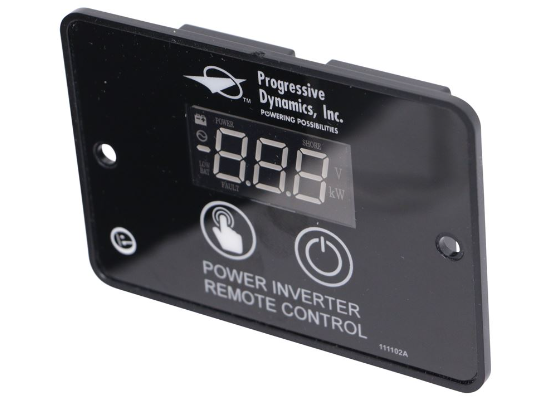
- Fixed-mount remote lets you control and monitor the inverter
- Multiple connection points let you secure cables and external devices to the inverter
- Includes AC input and output terminals, DC input terminals, and remote port
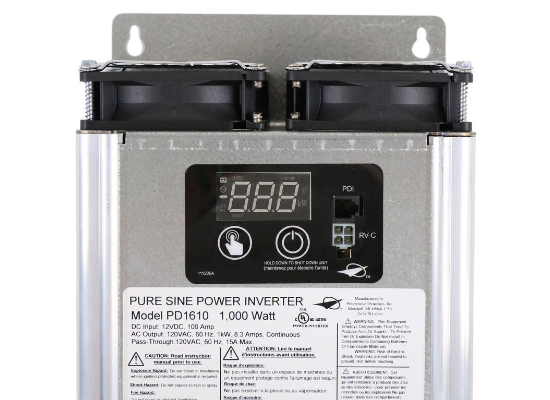
- Built-in features protect your RV’s electrical system
- UL listed
- Made in the USA
Specs:
- Application: 12 volt battery systems
- Rated power:
- Running (rated) power output: 1,000 watts
- Starting (surge) power output: 2,000 watts
- Voltage:
- Input: 12 VDC
- Output: 120 VAC
- Transfer switch power: 20 amps
- Cable length: 50′
- Dimensions: 11-1/4″ long x 6-5/8″ wide x 4″ deep
- Weight: 7 lbs
- 2-Year limited warranty
This 12V inverter, with built-in transfer switch, changes DC output from your RV batteries into AC power and sends it to the electrical system. Using pure sine wave technology, it creates clean power with low distortion, making it safe, efficient, and perfect for sensitive electronics like computers. The inverter can generate 2,000 starting watts and 1,000 running watts which is a great fit for appliances and electronics. Additionally, with the integrated transfer switch, it will automatically change from inverter to shore power when available.
Functions and Features
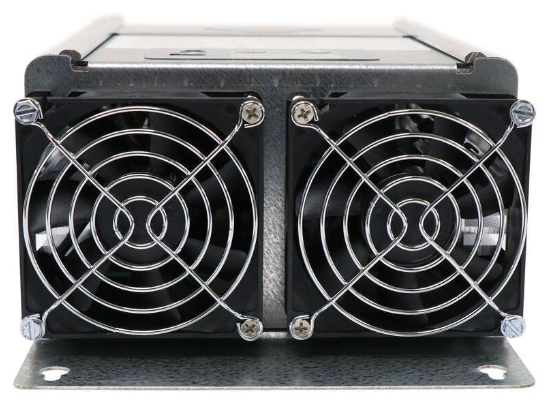
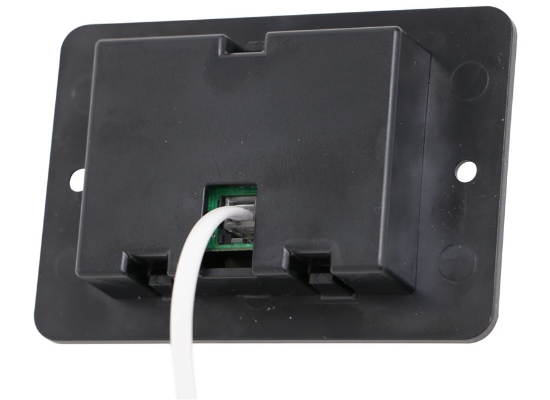
To connect your AC loads, the inverter includes hardwired input and output terminals. It also has positive and negative DC terminals that connect to your batteries. Lastly, there is a port for the included fixed-mount remote. The system includes a number of safety features. It has a reverse polarity protection that will protect the converter if the battery is hooked up incorrectly. Additionally, the unit includes protection for overvoltage, undervoltage, and overloading which can damage your equipment, as well as the converter. The built-in cooling fan also removes excess heat from the unit. The fan speed is proportional to the internal temperature on the converter, so when the power demand is low, the fan will operate quietly. For additional safety, installing a 200-amp fuse (sold separately) between the battery bank and the inverter will protect your equipment from power surges.
Built-In Transfer Switch Automatically Switches to Shore Power
The integrated transfer switch selects the primary source of 120V AC current. This switch has been pre-wired to automatically change from inverter to shore power to conserve battery life. It includes a 20-amp leg rated at 135V. Additionally, since the switch only accepts one active source, it protects your electrical system from dangerous backfeed that can damage your equipment.
Fixed-Mount Remote Provides Easy Monitoring and Control

The fixed-mount remote lets you monitor and control the inverter from inside your RV. It includes a digital display that shows voltage, output power, error codes, and a low battery indicator. It also has a power button to turn the inverter on and off.
How It Installs
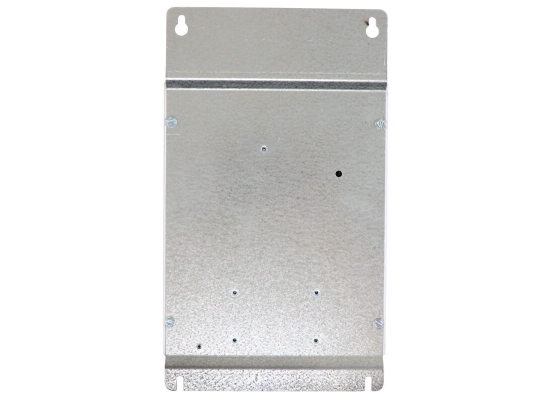
The inverter mounts inside your RV in a dry location with ventilation. It should be installed close to the battery bank, but not in the same compartment.
The DC terminals are wired to the battery bank.

There are several ways to connect the inverter to your RV’s electrical system, but this will depend on your rig and how you want to use your inverter. If your RV’s distribution panel only has one leg, a subpanel will be needed for installation. You will also need a 100-amp circuit breaker between the inverter and battery positive post. Two 20-amp circuit breakers will be needed to channel AC power from the main panel into the inverter and then out into the subpanel.